How Many Steps a Day to Lose Belly Fat? Real Targets
How many steps a day to lose belly fat? Most people need 10,000-12,000 steps daily plus a small calorie deficit. See step targets by body size and the math.
 Hieu Dinh•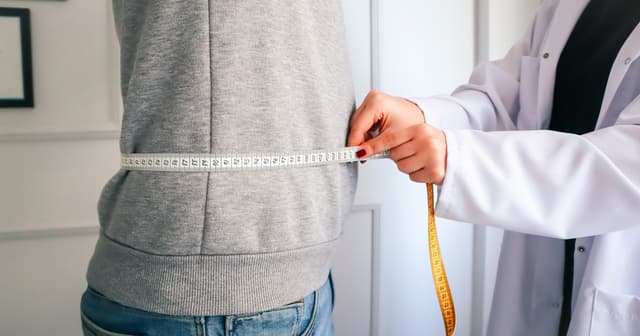
How Many Steps a Day to Lose Belly Fat?
How many steps a day to lose belly fat? For most people, the answer is 10,000 to 12,000 steps a day combined with a modest calorie deficit. That combination burns enough calories to steadily reduce overall body fat — and because belly fat (especially the deep visceral fat around your organs) responds quickly to aerobic activity, your waistline is often where you see the change first.
One important truth up front: you cannot spot-reduce belly fat. No number of steps will burn fat off your stomach specifically. What walking does is create a calorie deficit that shrinks fat everywhere — and your belly happens to be one of the areas that responds well. So the real question isn't "how many steps melt belly fat" but "how many steps a day put me in a deficit big enough to lose fat consistently." This guide gives you concrete step targets by body size, the weekly math behind them, and a four-week plan to build up.
Quick Answer: Daily Steps for Belly Fat Loss
Here is the short version:
- Maintenance / general health: 7,000–8,000 steps a day
- Slow, steady fat loss: 8,000–10,000 steps a day + small diet tweaks
- Faster belly fat reduction: 10,000–12,000 steps a day + a 300–500 calorie deficit
- Aggressive (only if you can sustain it): 12,000–15,000 steps a day + a 500 calorie deficit
The 10,000–12,000 range is the practical sweet spot for most adults who want visible waistline change within 8–12 weeks. Below ~7,000 steps, fat loss tends to stall unless your diet is doing all the heavy lifting. Above ~15,000, you get diminishing returns and a higher injury and burnout risk.
Want a target tailored to your body and goal? The Daily Step Goal Calculator sets a personalized number based on your age and activity level.
Daily Step Targets by Body Size and Goal
Bigger bodies burn more calories per step, so a heavier person hits a given calorie deficit at a lower step count. The table below shows rough daily step targets, the calories those steps burn (on top of normal daily movement of ~3,000 steps), and the weekly fat-loss math using the standard estimate that 3,500 calories ≈ 1 pound of fat.
| Body Weight | Daily Steps | Extra Cal/Day from Walking | + Diet Deficit | Weekly Deficit | Est. Fat Loss/Week |
|---|---|---|---|---|---|
| 130 lb (59 kg) | 10,000 | ~280 | 300 | ~4,060 | ~1.2 lb |
| 150 lb (68 kg) | 10,000 | ~320 | 300 | ~4,340 | ~1.2 lb |
| 150 lb (68 kg) | 12,000 | ~430 | 300 | ~5,110 | ~1.5 lb |
| 180 lb (82 kg) | 10,000 | ~390 | 400 | ~5,530 | ~1.6 lb |
| 180 lb (82 kg) | 12,000 | ~510 | 400 | ~6,370 | ~1.8 lb |
| 200 lb (91 kg) | 12,000 | ~570 | 500 | ~7,490 | ~2.1 lb |
| 220 lb (100 kg) | 12,000 | ~630 | 500 | ~7,910 | ~2.3 lb |
A few notes on reading this table:
- "Extra cal/day from walking" assumes the steps shown are above a sedentary baseline of about 3,000 steps. If you already walk 6,000 steps, only the additional steps count toward new fat loss.
- The "diet deficit" column is calories cut from food, not exercise. Walking plus a small dietary trim is far more effective than either alone.
- Roughly 1–2 pounds of fat per week is the healthy, sustainable range. Faster than that usually means you are losing water and muscle too.
To run your own numbers, the Steps to Calories Calculator tells you exactly how many calories your step count burns, and the Weight Loss Walking Calculator projects your timeline based on your weight, daily steps, and calorie target.
Why Walking Specifically Helps With Visceral Belly Fat
Belly fat comes in two types: subcutaneous fat (the pinchable layer under your skin) and visceral fat (the deeper fat packed around your organs). Visceral fat is the dangerous kind — it drives inflammation, insulin resistance, and heart disease risk — and it is also the kind that walking targets especially well. Here is why daily steps work for it:
Walking lowers cortisol. Chronically high cortisol (your main stress hormone) signals your body to store fat in the abdomen specifically. Steady, low-intensity walking reduces cortisol, while hard, exhausting workouts can actually spike it. This is one reason a daily walk often beats sporadic intense training for belly fat.
Steps boost NEAT. Non-exercise activity thermogenesis (NEAT) is all the calorie burn from moving around outside of formal workouts. Hitting a step target turns NEAT into a reliable, large chunk of your daily burn — often 300–600 calories — without the recovery cost of intense exercise.
Walking improves insulin sensitivity. Walking, especially after meals, blunts blood-sugar spikes and lowers insulin. Since high insulin promotes abdominal fat storage, this directly counteracts a key driver of belly fat. A 10–15 minute post-meal walk is one of the highest-leverage habits you can add.
Consistency compounds. The biggest advantage of steps is that you will actually do them every day. A modest daily deficit sustained for three months erases far more belly fat than an ambitious plan you abandon in two weeks.
For the full research breakdown on the walking-belly-fat connection — including the clinical studies and pace strategies — see our companion guide, Does Walking Reduce Belly Fat?.
A 4-Week Plan to Build Up to 10–12K Steps
If you are starting below 6,000 steps a day, do not jump straight to 12,000 — that is how you get shin splints and quit. Increase gradually so your body and your schedule adapt. Add roughly 1,000–1,500 steps to your daily average each week.
| Week | Daily Step Target | How to Get There |
|---|---|---|
| Week 1 | 6,000–7,000 | One 20-min walk + take stairs, park farther away |
| Week 2 | 8,000–9,000 | Add a 15-min post-meal walk after dinner |
| Week 3 | 10,000 | Two intentional walks (morning + evening) |
| Week 4 | 11,000–12,000 | Add a longer weekend walk; walk during calls |
Practical ways to hit the higher targets without carving out huge blocks of time:
- Walk after every meal. Three 10-minute post-meal walks add ~3,000–4,000 steps and improve insulin sensitivity.
- Take walking calls. Pace during phone meetings — an easy 1,500–2,000 steps.
- Park and exit early. Park at the far end of the lot; get off the bus a stop early.
- Stack a brisk session. One deliberate 30-minute brisk walk (3.5+ mph) adds ~3,500 steps and burns the most fat per minute.
- Track it. Watching the number climb is the single best motivator. The Steps: Workout & Pedometer app auto-counts every step and syncs with Apple Health so you always know where you stand.
Once 12,000 feels routine, you can hold there. There is rarely a reason to keep climbing past it for belly fat — better to add intensity (incline, intervals) or tighten your diet than to grind out more low-value steps. For the bigger picture on weekly step goals, see Walking for Weight Loss: How Many Steps?.
Steps Alone vs. Steps Plus Diet
This is where most people go wrong. They hit 12,000 steps a day for a month, see little change, and conclude walking does not work. The real issue is almost always that the calorie deficit was too small — or erased entirely by eating back the burn.
Consider a 160 lb person walking 12,000 steps a day. That burns roughly 450 extra calories. Impressive — until a single large coffee drink (350 cal) and a handful of chips (200 cal) wipe it out. The math:
- 12,000 steps: −450 calories
- One sweetened latte: +350 calories
- Afternoon snack: +200 calories
- Net: +100 calories — a surplus, not a deficit
Now flip it. Same 12,000 steps, but swap the latte for black coffee and the chips for fruit:
- 12,000 steps: −450 calories
- Skipping the latte: −350 calories
- Lighter snack: −150 calories
- Net: −950 calories/day → ~6,650/week → ~1.9 lb of fat per week
Same step count. Completely different outcome. The steps create the foundation; the diet decides how fast the belly fat actually comes off. You do not need a crash diet — just stop eating back your walk and trim a few hundred calories of liquid sugar and ultra-processed snacks.
To see exactly how many steps equal a pound at your weight, read How Many Steps to Lose a Pound?.
How Long Until You See Belly Fat Results?
With 10,000–12,000 steps a day plus a real calorie deficit, here is a realistic timeline:
- Weeks 1–3: The scale may barely move (water retention masks early fat loss), but energy and sleep improve. Clothes start fitting slightly looser.
- Weeks 4–6: Most people notice their waistband is looser and clothes fit better. Waist circumference begins measurably dropping.
- Weeks 8–12: Clinical studies on brisk walking show measurable reductions in waist circumference — often 1–1.5 inches — in this window. Visceral fat, being metabolically active, tends to go first.
Use a tape measure at your belly button, not just the scale — waist measurement is a far better early indicator of visceral fat loss than body weight. And remember that the time of day you walk matters less than whether you walk every day; for the small edge timing can give, see Best Time to Walk for Weight Loss.
Frequently Asked Questions
How many steps a day to lose belly fat?
Most adults need 10,000 to 12,000 steps a day combined with a modest calorie deficit (300–500 calories) to reduce belly fat at a healthy pace. Below about 7,000 steps, fat loss usually stalls unless your diet creates the entire deficit. Heavier people burn more per step and can see results at the lower end of the range; lighter or already-active people may need to lean toward 12,000.
Can walking alone reduce belly fat?
Yes, but slowly, and only if your diet is not adding the calories back. Walking creates part of a calorie deficit through extra burn, but for most people the larger half of the deficit comes from food. Walking 10,000–12,000 steps daily while keeping your eating consistent will reduce belly fat over time — pairing it with a small dietary trim simply makes it happen faster.
How long does it take to lose belly fat by walking?
With 10,000–12,000 steps a day and a real calorie deficit, most people notice looser clothes within 4–6 weeks and measurable waist reduction (often 1–1.5 inches) by week 8–12, based on clinical walking studies. Visceral belly fat tends to respond before subcutaneous fat. Consistency is the deciding factor — sporadic walking rarely produces visible results.
Is 10,000 steps enough to lose belly fat?
For many people, yes — 10,000 steps a day is enough to lose belly fat if it is paired with a calorie-conscious diet. On its own, 10,000 steps burns roughly 300–400 extra calories, which is meaningful but easy to cancel out with one indulgent snack or drink. Add a 300–500 calorie dietary deficit and 10,000 steps becomes a genuinely effective belly fat strategy.
What's the best time to walk to lose belly fat?
The best time is whenever you will do it consistently. That said, walking after meals has a specific belly fat advantage: it lowers blood sugar and insulin, the hormone that drives abdominal fat storage. Three short post-meal walks can outperform one long walk for visceral fat. Morning fasted walks burn a slightly higher percentage of fat, but the total difference is small.
How many steps a day is healthy to begin with?
If fat loss feels far off, start with the general health target first. Research links 7,000–8,000 steps a day to major reductions in mortality and disease risk, with benefits continuing up to about 10,000. Build that habit, then push toward 10,000–12,000 for fat loss. See How Many Steps a Day Is Healthy? for the full breakdown.
Track Your Steps and Watch the Belly Fat Go
Knowing your target is step one. Hitting it every single day is what actually shrinks your waistline — and that requires knowing where you stand at any moment.
The Steps: Workout & Pedometer app automatically counts every step, shows your distance and calories burned, and syncs with Apple Health — so you always know whether you are on pace for 10,000, 12,000, or whatever target fits your goal. Pair it with the Weight Loss Walking Calculator to project your fat-loss timeline, and the Steps to Calories Calculator to see exactly what your daily steps are burning.
Want proof it works? Read real transformations in Walking Weight Loss Before and After.
Start walking off belly fat today. Download Steps free on the App Store and start tracking every step, every walk, and every inch off your waistline.
You Might Also Like
Try Our Calculators
Steps is built by runners who wanted a step counter that felt right. Read our story