Walking for Weight Loss: How Many Steps Do You Really Need?
Learn how walking helps you lose weight, how many steps per day you need, and how to track calories burned. Science-backed tips for effective weight loss through walking.
 Steps Team•
Walking for Weight Loss: How Many Steps Do You Really Need?
Walking for weight loss is one of the most accessible and sustainable ways to shed pounds. Unlike intense workout programs that leave you exhausted, walking fits naturally into your daily routine while steadily burning calories. But how many steps do you actually need to lose weight? Let's break down the science and show you how to track your progress effectively.
Why Walking Works for Weight Loss
Walking might seem too simple to be effective, but science proves otherwise:
- Low injury risk — Unlike running, walking is gentle on joints
- Sustainable long-term — Easy to maintain as a daily habit
- Burns fat efficiently — Moderate intensity targets fat stores
- No equipment needed — Just comfortable shoes
- Reduces stress — Lower cortisol means less belly fat storage
A 155-pound person burns approximately 149 calories walking 10,000 steps. Over a week, that's over 1,000 calories—enough to lose about a third of a pound from walking alone.
How Many Steps to Lose Weight?
The magic number depends on your goals and current activity level:
| Daily Steps | Weight Loss Potential | Best For |
|---|---|---|
| 7,500 | Maintenance | Staying active |
| 10,000 | Gradual loss | Sustainable habit |
| 12,500 | Moderate loss | Faster results |
| 15,000+ | Significant loss | Ambitious goals |
The key insight: Adding 2,000-3,000 steps to your current baseline creates a meaningful calorie deficit without feeling overwhelming.
Calculate Your Calorie Burn
Your calories burned depend on:
- Body weight — Heavier people burn more calories per step
- Walking speed — Faster pace increases intensity
- Terrain — Inclines dramatically increase burn
- Duration — Longer walks compound the effect
A general formula: Steps × 0.04 = Calories burned (adjusted for average body weight)
Creating a Walking Weight Loss Plan
Week 1-2: Build the Foundation
Start with your current step count and add 1,000 steps per day:
- Track your baseline for 3 days
- Set a realistic daily goal
- Focus on consistency, not perfection
Week 3-4: Increase Intensity
Once the habit is established:
- Add another 1,000-2,000 steps
- Include one "long walk" day per week
- Try walking faster for short bursts
Month 2 and Beyond: Optimize
- Aim for 10,000-12,500 steps daily
- Add inclines or hills when possible
- Track weekly trends, not daily fluctuations
Track Your Progress with Steps: Workout & Pedometer
Effective weight loss through walking requires consistent tracking. The Steps app makes this effortless:
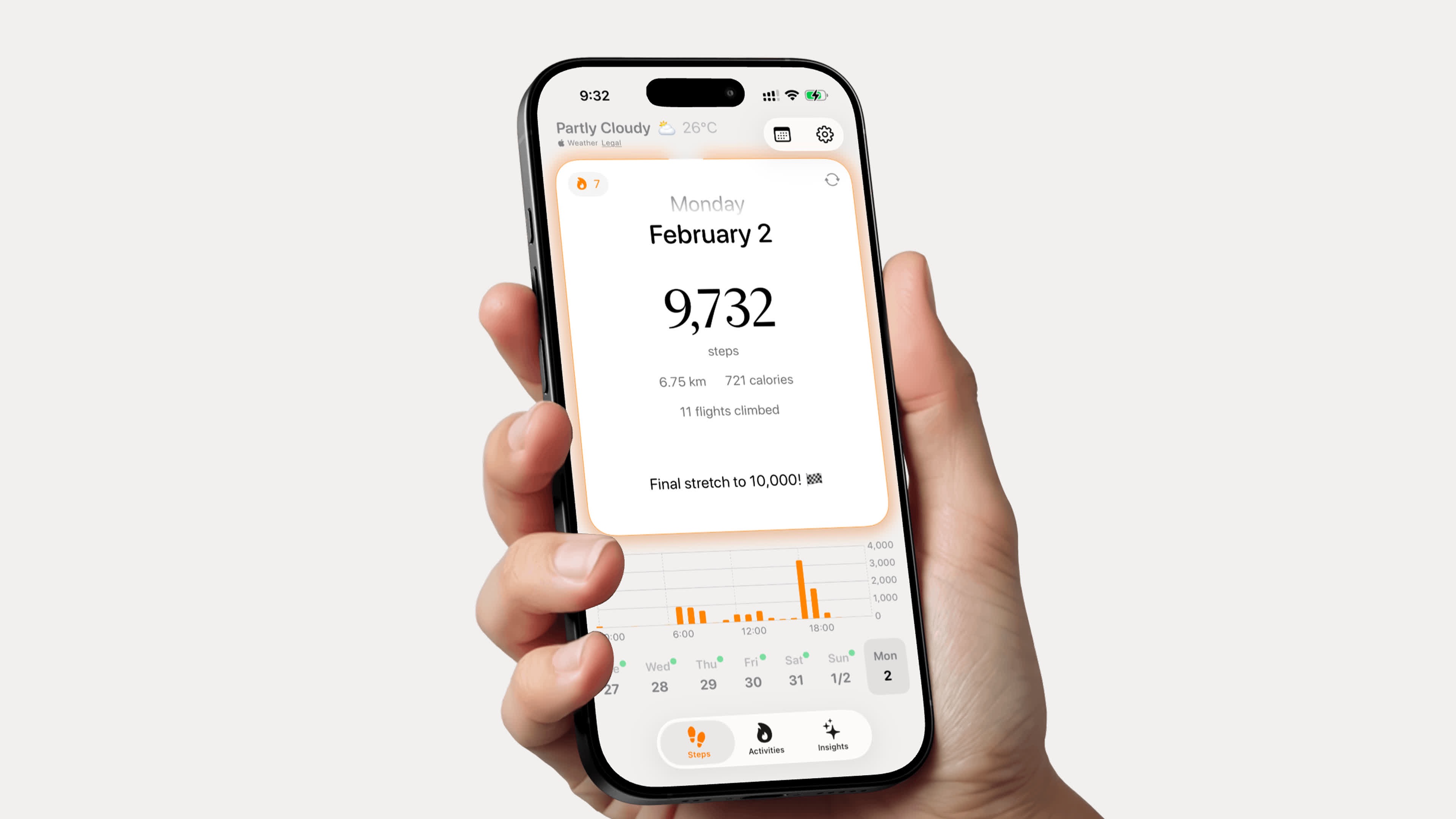
Daily Step & Calorie Tracking
See your real-time step count and calories burned with beautiful widgets on your iPhone home screen. No need to open the app—your progress is always visible. Steps automatically calculates calories burned based on your activity, showing daily, weekly, and monthly data to understand your true progress.
Set Personalized Goals
Not everyone needs 10,000 steps. Set a goal that matches your lifestyle:
- Start achievable and increase gradually
- Get notifications when you're close to your goal
- Celebrate streaks to stay motivated
Track Trends Over Time
Weight loss isn't linear. The Steps app shows your progress over weeks and months, helping you see the bigger picture:
- Weekly step averages
- Monthly calorie burn totals
- Year-over-year comparisons
Tips for Maximum Weight Loss
1. Walk Before Meals
Walking before eating:
- Reduces appetite naturally
- Improves insulin sensitivity
- Burns glycogen, making your body tap fat stores
2. Add Micro-Walks Throughout the Day
Three 10-minute walks can be more effective than one 30-minute walk:
- Walk after each meal to aid digestion
- Take phone calls while walking
- Park farther away from entrances
3. Increase Walking Speed Gradually
A brisk walk (3.5-4 mph) burns significantly more calories than a stroll:
| Walking Speed | Calories/Hour (155 lb person) |
|---|---|
| 2.0 mph (stroll) | 149 |
| 3.0 mph (moderate) | 232 |
| 3.5 mph (brisk) | 267 |
| 4.0 mph (power walk) | 341 |
4. Use Terrain to Your Advantage
Walking uphill dramatically increases calorie burn:
- A 5% incline burns ~50% more calories
- Stairs are excellent for short bursts
- Hiking trails add variety and challenge
5. Stay Consistent, Not Perfect
Missing one day won't ruin your progress. What matters:
- Weekly step totals, not daily perfection
- Monthly trends, not day-to-day fluctuations
- Building a sustainable habit
Common Questions
How long does it take to see weight loss results from walking?
Most people notice changes within 2-4 weeks of consistent walking. However, the scale might not move immediately as you build muscle and lose fat simultaneously. Focus on how your clothes fit and your energy levels.
Is 10,000 steps a day enough to lose weight?
For most people, 10,000 steps creates a meaningful calorie deficit when combined with mindful eating. If weight loss stalls, increase to 12,500-15,000 steps or add intensity through faster walking or inclines.
Should I walk every day for weight loss?
Aim for at least 5-6 days per week. Rest days are important for recovery, but light walking on rest days (5,000-7,000 steps) is fine and often beneficial.
Can I lose belly fat by walking?
Yes. Walking, especially at a brisk pace, effectively reduces visceral belly fat. Studies show that regular walkers have smaller waist circumferences than sedentary individuals, even at the same weight.
What's better for weight loss: walking or running?
Both are effective. Walking is more sustainable for most people and has a lower injury risk. Running burns more calories per minute but is harder to maintain long-term. Choose what you'll actually stick with.
Do steps from daily activities count toward weight loss?
Absolutely. Every step counts. Steps from grocery shopping, cleaning, or walking around the office all contribute to your daily calorie burn.
Your Walking Weight Loss Journey Starts Now
Walking for weight loss isn't about dramatic changes—it's about consistent small actions that compound over time. Start tracking your steps today, set a realistic goal, and watch the progress unfold.
The Steps app makes tracking effortless with:
- 8 beautiful widgets to see steps at a glance
- Automatic calorie tracking synced with Apple Health
- Streak tracking to keep you motivated
- Yearly insights to celebrate your progress
Ready to walk your way to weight loss? Download Steps free on the App Store and start your journey today.
You Might Also Like
Try Our Calculators
Steps For
Steps is built by runners who wanted a step counter that felt right. Read our story