
Walk Toward a Healthier Heart
Simple step tracking recommended by doctors for heart health and diabetes management


The American Heart Association recommends 150 minutes of moderate-intensity walking weekly — about 7,000 to 10,000 steps per day — to reduce cardiovascular disease risk. Research shows consistent walkers have a 30 to 40 percent lower risk of cardiovascular events compared to sedentary adults. For people managing type 2 diabetes, a 15-minute walk after meals has been shown to lower post-meal blood sugar more effectively than a single 45-minute session. Always consult your healthcare provider before starting or modifying any exercise program, especially following a cardiac event or surgery. Steps gives you a simple, doctor-shareable record of your daily walking activity with no complicated setup required.
Sound Familiar?
- ✓Doctor said to walk more but gave no clear way to track or measure it
- ✓Need gentle, adjustable goals — not aggressive fitness targets that feel unsafe
- ✓Want to show a healthcare provider actual walking data, not just estimates
- ✓Recovering from a cardiac event and need to build activity gradually and safely
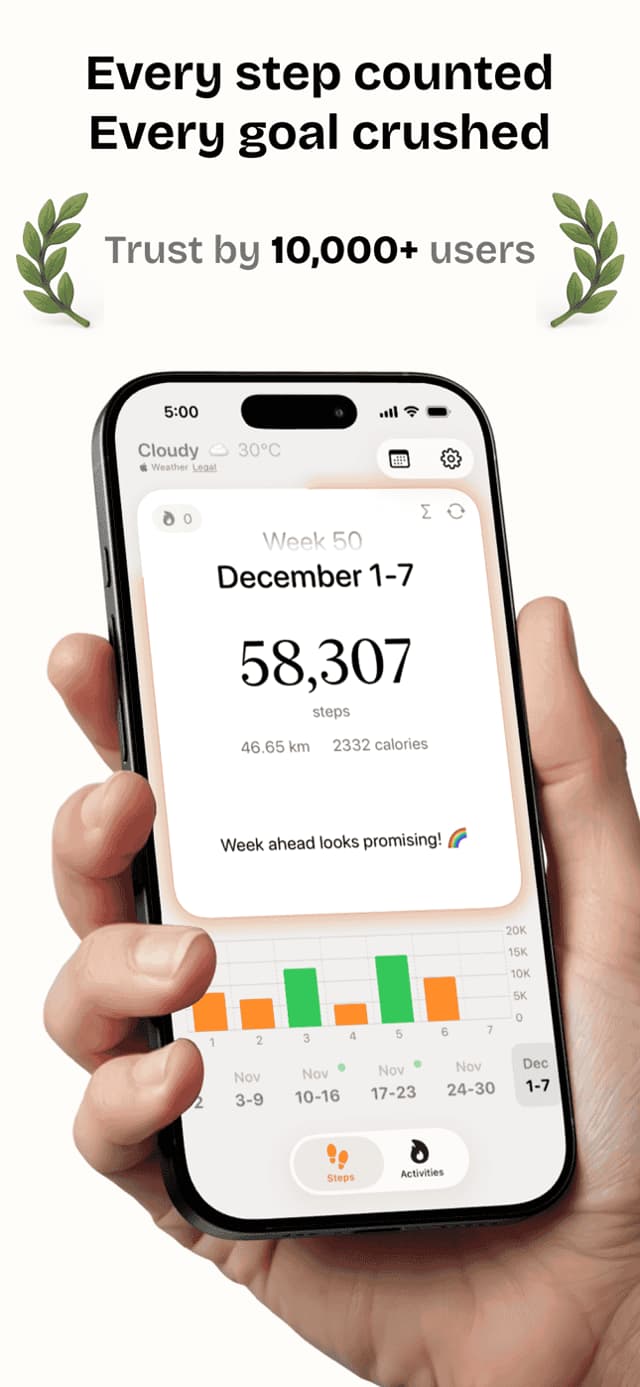
Steps makes it easy to follow your doctor's walking recommendation with flexible daily goals you can adjust as your health and confidence improve. The app integrates with Apple Health so your walking history is available to share with your care team. Progress charts show weeks and months of activity at a glance, giving both you and your provider a clear picture of how your walking habit is developing.
Everything You Need
Flexible Goals
Start with whatever daily step goal your doctor recommends and gradually increase it as your fitness and confidence grow.
Apple Health Integration
Steps syncs with Apple Health so your walking data can be shared with healthcare apps and providers who use it.
Progress Charts
Weekly and monthly charts provide a clear, visual record of your walking consistency to review with your care team.
Gentle Reminders
Optional daily reminders encourage you to take your walk without adding pressure or anxiety to your routine.
Apple Watch
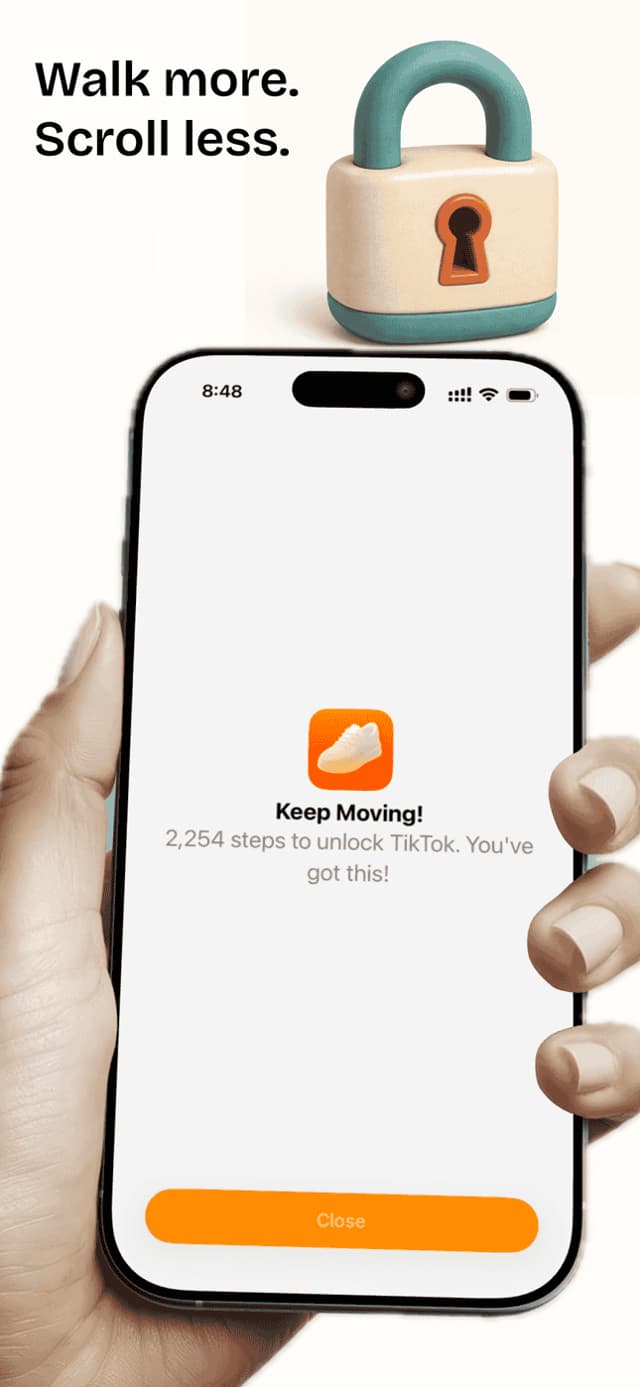
Track steps hands-free from your Apple Watch — convenient for walks where carrying your phone feels burdensome.
See It In Action
What People Are Saying
“After my stent placement my cardiologist told me to walk 30 minutes a day and track it. Steps gave me the record I needed and my doctor loved being able to see the charts.”
“My endocrinologist said walking after meals would help my blood sugar. Tracking those walks in Steps showed me the pattern — my numbers improved when I stayed consistent.”
“Cardiac rehab was three days a week, but my therapist wanted me active every day. Steps helped me see that my at-home walks were just as consistent as my clinic days.”
Frequently Asked Questions
Is step tracking safe for heart patients?+
Walking is generally recommended for heart patients as part of recovery and prevention, but always follow your specific healthcare provider's guidance on activity levels. Steps simply records your walking — your doctor determines what targets are appropriate for your condition.
How does walking help with diabetes management?+
Walking lowers blood glucose by increasing insulin sensitivity and muscle glucose uptake. Even a 10 to 15 minute walk after meals has been shown in studies to significantly reduce post-meal blood sugar spikes in type 2 diabetes patients.
Can I share my walking data with my doctor?+
Yes. Steps stores your complete walking history with daily and weekly charts you can screenshot to bring to appointments. The app also writes data to Apple Health, which many health systems and provider apps can access.
How many steps are recommended for heart health?+
The American Heart Association recommends at least 150 minutes of moderate walking per week, which equates to roughly 7,000 to 10,000 steps daily. Even 4,000 to 5,000 steps shows measurable cardiovascular benefit over sedentary behavior.
Does walking actually lower blood sugar?+
Yes. Multiple clinical studies confirm that regular walking improves insulin sensitivity and helps manage blood glucose levels in type 2 diabetes patients. Post-meal walks of 10 to 15 minutes are particularly effective for blunting glucose spikes.
Can I use Steps after heart surgery?+
Steps is appropriate for post-surgical walking recovery when used alongside your medical team's guidance. The app's flexible goal feature lets you start very low — even 500 steps — and increase gradually as your recovery progresses.
Is Steps free for medical use?+
Yes. The core step tracking, goal setting, and progress charts are completely free. No subscription is required to track daily walks and maintain the activity record your doctor may want to review.
Take Steps Toward Better Heart Health
Free on the App Store. No subscriptions required to get started.