What Is a Good Heart Rate? Resting, Walking & Exercise
What is a good heart rate? Normal resting heart rate by age, target ranges for walking and exercise, how to measure your pulse, and when to see a doctor.
 Steps Team•
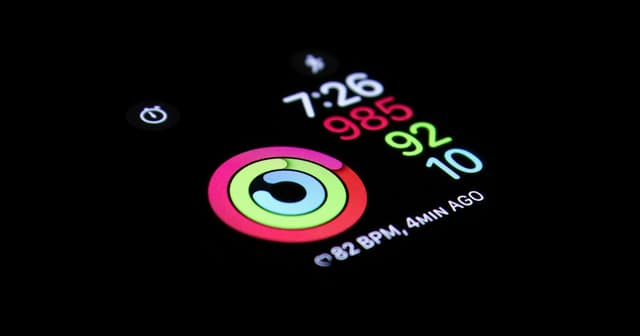
What is a good heart rate? At rest, a good heart rate for adults is 60 to 100 beats per minute (bpm), and lower within that range usually signals a fitter heart: many healthy adults sit between 60 and 80, and trained athletes can rest in the 40s or 50s. During exercise, a good heart rate is a target: about 50 to 70% of your maximum heart rate for moderate effort such as a brisk walk, and 70 to 85% for vigorous effort. At age 40, that is roughly 90 to 126 bpm and 126 to 153 bpm.
In other words, the answer depends on what you are doing. This guide puts resting, walking, and exercise heart rate on one page, with a chart by age, a simple way to measure your resting pulse, and clear signs that a number is too high or too low.
Want your own numbers straight away? The resting heart rate calculator rates your resting pulse for your age and sex, and the heart rate zones calculator turns your age into exercise targets.
What Is a Good Resting Heart Rate?
Your resting heart rate is how many times your heart beats per minute when you are awake, calm, and sitting or lying still. The American Heart Association puts a normal adult resting heart rate at 60 to 100 bpm and notes that a lower resting rate generally means better heart fitness.
Within that wide range, some sources draw a tighter line. UPMC calls 60 to 80 bpm normal for most adults and says an adult resting between 80 and 100 bpm "might be at risk." Large studies point the same way: a 2017 meta-analysis of 87 studies found that each 10 bpm rise in resting heart rate was associated with a 17% higher risk of death from any cause. That is an association, not proof that a faster pulse causes harm, but it is why "lower is better, within reason" is a fair rule.
Here is a practical way to read your number:
| Resting heart rate | What it usually means |
|---|---|
| Under 60 bpm | Common in fit people and athletes. Worth checking with a doctor only if you also have symptoms (see below) |
| 60 to 80 bpm | Normal, and a good resting heart rate for most adults |
| 80 to 100 bpm | Still within the normal range, but on the high side. Often improves with more activity, sleep, and less caffeine or alcohol |
| Over 100 bpm | Above normal at rest (tachycardia). Recheck after resting, and see a doctor if it stays high |
Your own trend matters as much as the chart. A resting rate of 72 is fine. A resting rate of 72 when you are normally 60 is worth noticing.
Average Resting Heart Rate in the US
The CDC's national resting pulse report, based on NHANES exams of 49,114 people from 1999 to 2008, found that the average adult resting pulse plateaus at about 72 bpm. Adult women averaged 74 bpm and adult men 71 bpm, so women typically rest a few beats higher than men. About 15% of men and 7% of women had a resting pulse under 60, and fewer than 2% of either sex were over 100.
Normal Heart Rate by Age
For adults, the normal resting range does not change with age. Children are different: their hearts are smaller and beat faster, and the normal range drops steadily until the teenage years. These are the ranges Cleveland Clinic uses for an awake child or adult who is not exercising.
| Age | Normal resting heart rate |
|---|---|
| Newborn (birth to 4 weeks) | 100 to 205 bpm |
| Infant (4 weeks to 1 year) | 100 to 180 bpm |
| Toddler (1 to 3 years) | 98 to 140 bpm |
| Preschool (3 to 5 years) | 80 to 120 bpm |
| School age (5 to 12 years) | 75 to 118 bpm |
| Teen (13 to 17 years) | 60 to 100 bpm |
| Adult (18 and older) | 60 to 100 bpm |
What does change with age is your maximum heart rate, and with it, your exercise targets.
What Is a Good Heart Rate During Exercise?
During exercise, a good heart rate means one that matches the effort you want. The AHA defines two target ranges as percentages of your estimated maximum heart rate (220 minus your age):
- Moderate intensity: 50 to 70% of max. You breathe harder but can still talk in full sentences.
- Vigorous intensity: 70 to 85% of max. You can only say a few words before taking a breath.
Heart Rate Chart by Age: Resting, Moderate and Vigorous
This chart answers "what is a good heart rate" for each situation at once. Exercise ranges use 220 − age, the same method as the AHA's own chart.
| Age | Good resting HR | Moderate (50-70%) | Vigorous (70-85%) | Est. max HR |
|---|---|---|---|---|
| 20 | 60-100 bpm | 100-140 bpm | 140-170 bpm | 200 bpm |
| 30 | 60-100 bpm | 95-133 bpm | 133-162 bpm | 190 bpm |
| 40 | 60-100 bpm | 90-126 bpm | 126-153 bpm | 180 bpm |
| 50 | 60-100 bpm | 85-119 bpm | 119-145 bpm | 170 bpm |
| 60 | 60-100 bpm | 80-112 bpm | 112-136 bpm | 160 bpm |
| 70 | 60-100 bpm | 75-105 bpm | 105-128 bpm | 150 bpm |
| 80 | 60-100 bpm | 70-98 bpm | 98-119 bpm | 140 bpm |
Age-based formulas are averages and can be 10 bpm or more off for an individual. Our max heart rate by age guide compares 220 − age with newer formulas such as Tanaka, which gives slightly higher maxes after 40.
Important: beta blockers and some other heart and blood pressure medicines slow your heart rate, so these charts do not apply. If you take them, ask your doctor for your target range.
What Is a Good Heart Rate for Walking?
A casual stroll usually keeps you under 50% of max. A brisk walk, the kind that counts toward the 150 minutes of weekly moderate activity, typically lands in the moderate band: about 90 to 126 bpm at age 40, or 80 to 112 bpm at age 60. Hills and fast power walking can push you into the vigorous range. The walking heart rate guide breaks this down by pace.
If you want a steady, easy aerobic effort, aim for the lower part of the moderate range. That is zone 2, explained in zone 2 heart rate. Runners chasing a faster mile will spend more time in the vigorous band; see how long it takes to run a mile for typical times by age.
What Is Target Heart Rate?
Target heart rate is simply the range you aim for during a workout so it is hard enough to build fitness but not so hard you cannot sustain it. The simple version is the two AHA bands above. The five-zone model in heart rate zones explained splits the same range into 10% steps, and the heart rate zones calculator can personalize your zones using your resting heart rate too.
How to Calculate Resting Heart Rate
Taking your own resting pulse takes one minute and no equipment.
- Measure first thing in the morning. The AHA suggests checking after a good night's sleep, before you get out of bed or have coffee. If you check later in the day, sit quietly for at least 5 minutes first, and wait an hour or two after exercise or caffeine.
- Find your pulse. Use the tips of your index and middle fingers, not your thumb (it has its own pulse). Press lightly on the inside of your wrist below the base of your thumb, or on the side of your neck just below the jaw. On the neck, press gently and use one side only.
- Count for 30 seconds and double it. That is the method the AHA recommends. For example, 34 beats in 30 seconds is 68 bpm. Counting for a full 60 seconds is even more accurate.
- Repeat on a few mornings and average them. One reading can be thrown off by a bad night or a stressful thought.
Why 30 seconds rather than the quick 15-second count? If you miss one beat in 15 seconds, your result is off by 4 bpm. In 30 seconds, the same slip costs only 2.
Once you have your average, enter it into the resting heart rate calculator to see how it compares for your age.
Using a watch? Smartwatches estimate resting heart rate from quiet periods, often overnight, so their figure can be lower than a seated manual reading. Track the weekly trend rather than a single day.
When Is a Heart Rate Too High or Too Low?
Too high: tachycardia
A resting heart rate above 100 bpm is called tachycardia. It is often temporary. Stress, fever, dehydration, caffeine, nicotine, alcohol, poor sleep, pregnancy, and some medicines all raise your pulse, and Cleveland Clinic notes that an overactive thyroid can push it over 100. Recheck after resting quietly. If it stays above 100 at rest, see a doctor.
Too low: bradycardia
A resting heart rate below 60 bpm is called bradycardia, but on its own it is often a sign of fitness rather than a problem. It only becomes a concern when it comes with symptoms such as dizziness, fainting, unusual tiredness, or shortness of breath, especially if you are not an athlete.
When to see a doctor
- Your resting heart rate is consistently above 100 bpm.
- Your resting heart rate is below 60 bpm and you have dizziness, fainting, fatigue, or shortness of breath.
- Your pulse feels irregular, skips, or races without a clear reason.
- Your resting heart rate jumps and stays high for days with no obvious cause.
Get help right away for chest pain, fainting, or severe breathlessness. Cleveland Clinic advises immediate care for a heart rate below 35 to 40 bpm or above 100 bpm when it comes with palpitations, shortness of breath, chest pain, or dizziness.
What Lowers Your Heart Rate?
If your resting rate sits in the 80s or 90s, these habits help bring it down:
- Regular aerobic exercise. This is the biggest lever. A stronger heart pumps more blood per beat, so it needs fewer beats at rest. Brisk walking counts, as explained in is walking good for your heart.
- Better sleep. Short or poor sleep raises resting heart rate.
- Less nicotine, alcohol, and caffeine. All three speed up the heart.
- Staying hydrated. Low fluid means lower blood volume, so the heart beats faster to compensate.
- Managing stress. Slow breathing and time outdoors help calm the nervous system.
- Losing excess weight. Cleveland Clinic lists a BMI above 25 among the factors linked to a higher resting rate.
Expect weeks to months, not days. Our guide on how to lower resting heart rate covers how much each habit helps and how long the change takes.
A daily walking habit is the easiest place to start. Steps: Workout & Pedometer counts your steps automatically on iPhone and Apple Watch, tracks your walks, and lets you set a daily step goal, so you can see your activity build week by week. Pair it with the daily step goal calculator to pick a realistic target.
Frequently Asked Questions
What is a good heart rate for my age?
For adults of any age, a good resting heart rate is 60 to 100 bpm, ideally toward the lower end. Exercise targets do change with age: at 30, moderate effort is about 95 to 133 bpm; at 50, about 85 to 119 bpm; at 70, about 75 to 105 bpm, using 220 minus your age as the estimated maximum.
Is a resting heart rate of 80 good?
It is normal, but it sits at the higher end of what many experts consider ideal. UPMC calls 60 to 80 bpm normal for most adults. If yours is consistently 80 or above, more aerobic exercise, better sleep, and less caffeine and alcohol often bring it down over a few months.
Is a resting heart rate of 50 bad?
Usually not. A resting rate of 50 is common in fit adults and endurance athletes, whose hearts pump more blood per beat. It is worth seeing a doctor only if you are not particularly active and you also feel dizzy, faint, unusually tired, or short of breath.
Do women have a higher heart rate than men?
Slightly, on average. In CDC data from about 49,000 Americans, adult women had an average resting pulse of 74 bpm and men 71 bpm. The difference is small compared with the variation between individuals, so the same 60 to 100 bpm normal range applies to both.
What is a dangerous heart rate?
A resting rate that stays above 100 bpm, or below 60 bpm with dizziness or fainting, needs a doctor's review. Get urgent care for a very low rate (below 35 to 40 bpm) or a fast rate with chest pain, palpitations, shortness of breath, or dizziness, as Cleveland Clinic advises.
Know Your Numbers
So, what is a good heart rate? At rest, 60 to 100 bpm, with the 60s and 70s a healthy sweet spot for most adults. On a brisk walk, roughly 50 to 70% of your max. In a hard workout, 70 to 85%. Measure your resting pulse on a few mornings, set your exercise targets with the heart rate zones calculator, and then get walking.
This article is for general information and is not medical advice. Talk to a doctor if you have a heart condition, take heart or blood pressure medication, or notice symptoms such as chest pain, fainting, or an irregular pulse.
Ready to walk your way to a healthier heart rate? Download Steps
You Might Also Like
Try Our Calculators
Steps is built by runners who wanted a step counter that felt right. Read our story