How to Lower Resting Heart Rate (and How Long It Takes)
How to lower resting heart rate: what works, how many weeks it takes, a good resting heart rate by age, how to measure it, and when to see a doctor.
 Steps Team•
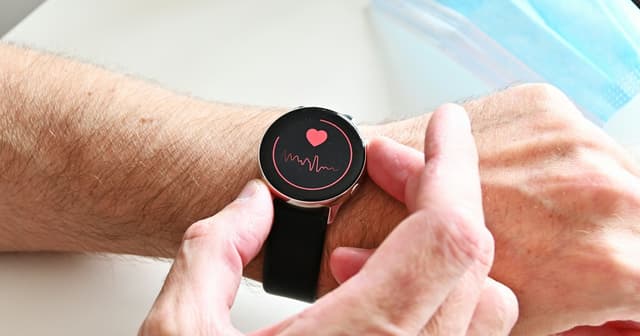
The most reliable way to lower resting heart rate is regular aerobic exercise: brisk walking, cycling, swimming, or jogging, building to at least 150 minutes a week. In controlled trials, endurance training lowered resting heart rate by roughly 3 to 6 beats per minute, typically after about three months of three sessions a week. Sleeping 7 to 9 hours, quitting nicotine, going easy on alcohol and caffeine, staying hydrated, managing stress, and losing excess weight all help too. A normal adult resting heart rate is 60 to 100 bpm.
Your resting heart rate (RHR) is the number of times your heart beats per minute when you are calm and still. This guide covers what a good number looks like, how to measure it, how to lower resting heart rate with habits that have evidence behind them, how long it takes, and when a high or low reading needs a doctor.
Already know your number? The resting heart rate calculator shows where it sits for your age and sex and builds training zones from it.
What Is a Good Resting Heart Rate by Age?
For adults, the normal range does not change with age. The American Heart Association puts a typical resting heart rate at 60 to 100 bpm when you are sitting or lying down, calm, and feeling well. Children run faster, and very fit people run slower.
| Group | Typical resting heart rate | Source |
|---|---|---|
| Children, 5 to 12 years | 75 to 118 bpm | Cleveland Clinic |
| Teens, 13 to 17 years | 60 to 100 bpm | Cleveland Clinic |
| Adults, 18 and older | 60 to 100 bpm | American Heart Association, Cleveland Clinic |
| Average US adult, seated clinic reading | About 72 bpm (men 71, women 74) | CDC NHANES 1999 to 2008 |
| Adults wearing a tracker day and night | About 65 bpm on average; 95% of men between 50 and 80, 95% of women between 53 and 82 | Quer et al., PLOS ONE, 2020 |
| Well-trained endurance athletes | Often in the 40s or 50s | American Heart Association, Cleveland Clinic |
Three things to know about these numbers:
- Age explains very little. In a study of 92,457 adults wearing heart rate trackers, the average rose slightly until about age 50 and then drifted down. Age, sex, BMI, and sleep together explained no more than 10% of the difference between people.
- Lower within the normal range is generally better. Harvard Health notes that some experts consider 50 to 70 bpm ideal. A 2017 meta-analysis of 87 studies found each 10 bpm increase in resting heart rate was associated with a 17% higher risk of death from any cause. That is an association, not proof of cause.
- Your own trend matters more than the chart. A reading of 68 is not a problem. A reading of 68 when you are normally 58 is worth noticing.
For the other end of the scale, see max heart rate by age.
How to Measure Resting Heart Rate Properly
A reading taken after coffee or a flight of stairs is not a resting reading. To get a number you can trust:
- Pick the right moment. The American Heart Association suggests checking in the morning after a good night's sleep, before you get out of bed or have your first coffee.
- Later in the day, rest first. Sit or lie quietly for about five minutes. Harvard Health advises waiting one to two hours after exercise or stress and an hour after caffeine.
- Find your pulse. Place your index and middle fingers on the inside of your wrist below the base of your thumb, or on the side of your neck below the jawbone.
- Count for 60 seconds. Or count for 15 seconds and multiply by four.
- Repeat and average. Take it on three or more mornings and use the average.
Using a watch instead? Most wearables estimate resting heart rate automatically from quiet periods during the day or night. Those figures can differ from a manual seated reading, so compare watch against watch and follow the weekly average.
How to Lower Resting Heart Rate: 8 Things That Work
1. Do aerobic exercise most days
This is the main lever. A stronger heart pumps more blood with each beat, so it needs fewer beats at rest. A meta-analysis of 191 exercise studies found that endurance training lowered resting heart rate by 2.7 to 5.8 bpm compared with non-exercising control groups. The effect of strength training alone was smaller and less consistent.
Aim for the standard guideline: at least 150 minutes a week of moderate activity, or 75 minutes of vigorous activity.
2. Walk briskly, and walk more
Walking counts as endurance training when the pace is brisk enough to raise your breathing. More on this below.
3. Sleep 7 to 9 hours
In the wearable study above, resting heart rate was lowest in people who averaged 7 to 7.5 hours of sleep a night. If sleep is your weak spot, see does walking help you sleep.
4. Quit nicotine
Smoking and other nicotine products raise heart rate. Stopping is one of the best things you can do for your heart overall.
5. Go easy on alcohol and caffeine
Cleveland Clinic lists alcohol and caffeine among the things that raise heart rate. If your resting rate is high, cutting back on both for a couple of weeks is an easy test.
6. Stay hydrated
When you are low on fluid, your blood volume drops and your heart beats faster to keep blood moving. Drink regularly, and more in heat or when you exercise. See how much water you should drink a day.
7. Manage stress and slow your breathing
Stress and anxiety raise heart rate. Slow breathing, time outdoors, and relaxation practices can help bring it down. In the same meta-analysis, yoga lowered resting heart rate by about 5 bpm.
8. Lose excess weight
Cleveland Clinic lists a BMI above 25 among the factors that affect heart rate. In the wearable study, resting heart rate was lowest at a BMI of about 21 for women and 23 for men. If weight loss is one of your goals, start with what a calorie deficit is.
How Long Does It Take to Lower Resting Heart Rate?
Expect months, not days:
| Evidence | What was tested | Average change |
|---|---|---|
| Reimers et al., 2018 (meta-analysis) | Endurance training vs no exercise | 2.7 to 5.8 bpm lower |
| Huang et al., 2005 (meta-analysis) | Endurance training in adults 60 and over | About 6 bpm lower, more in trials longer than 30 weeks |
| Hanson and Jones, 2015 (meta-analysis) | Outdoor walking groups | About 3 bpm lower |
What changes the result:
- Your starting point. The higher your resting heart rate before training, the more it tends to drop.
- Your age. Drops were smaller on average in older participants, and older adults may need longer programs.
- Consistency. The typical trial in the largest analysis lasted 12 weeks with three sessions a week. Its authors describe the effect as appearing after about three months at that frequency.
Trials ran from 2 weeks to 2 years, so there is no single week when the change arrives. Train steadily for 8 to 12 weeks before judging, and compare weekly averages. Short-term factors move faster: a number pushed up by a bad night, a few drinks, or dehydration usually settles once the cause is gone.
What a Walking Routine Does to Resting Heart Rate
Walking is the easiest form of endurance training to keep up. A meta-analysis of 42 walking group studies with 1,843 participants found an average drop in resting heart rate of 2.88 bpm, along with lower blood pressure and a higher VO2 max.
Step counts point the same way. In a Framingham Heart Study analysis of 662 adults wearing smartwatches, more daily steps and a lower non-active heart rate were each linked with higher measured fitness. That is an association, not proof that steps cause the drop, and we could not find a trial that ties a specific step count to a specific fall in resting heart rate.
A simple routine:
- Record a baseline. Measure your resting heart rate for a week and note your average daily steps.
- Add 1,000 to 2,000 steps a day. The daily step goal calculator gives you a target that fits your starting point.
- Make 30 minutes of it brisk, five days a week. That gets you to 150 minutes. Brisk means you can talk but not sing.
- Use heart rate to check intensity. Moderate effort is about 50 to 70% of your maximum heart rate. Our guides to walking heart rate and zone 2 walking explain the targets, and the heart rate zones calculator does the math.
- Re-check after 12 weeks.
As resting heart rate falls, aerobic fitness usually rises. Estimate yours with the VO2 max calculator and compare it against VO2 max by age. For the wider picture, see is walking good for your heart.
Why Did My Resting Heart Rate Suddenly Increase?
Short-term swings are common. In the wearable study, 20% of people had at least one week in which their resting heart rate moved by 10 bpm or more.
| Cause | Why it raises your number |
|---|---|
| Illness or fever | Infections and fever speed up the heart |
| Poor or short sleep | Less recovery overnight |
| Dehydration | Lower blood volume, so the heart beats faster |
| Alcohol, caffeine, or nicotine | All raise heart rate |
| Heat and humidity | The heart works harder to cool you down |
| Stress or anxiety | Stress hormones speed up the heart |
| Hard training without recovery | A raised morning reading for several days can be a sign you need rest |
| Medications, pregnancy, menstrual cycle | All can shift your baseline |
If there is an obvious cause, fix it and watch the number settle. If your resting heart rate stays raised without an explanation, or comes with symptoms, talk to a doctor. Never stop or change a prescribed medicine because of a reading on your watch; ask your doctor first.
Low Resting Heart Rate: When Is It a Problem?
A resting heart rate below 60 bpm is called bradycardia, but it is often harmless. In the CDC's national survey data, about 15% of adult men and 7% of adult women had a resting pulse below 60. Fit people commonly sit in the 50s, endurance athletes in the 40s, and everyone's heart rate dips during sleep.
See a doctor if:
- Your resting heart rate is consistently above 100 bpm.
- Your resting heart rate is below 60 bpm, you are not a trained athlete, and you have dizziness, fainting, unusual tiredness, or shortness of breath.
- You notice palpitations, or a pulse that skips or feels irregular.
- Your resting heart rate changes suddenly and stays changed with no clear reason.
Get urgent care for chest pain, fainting, or severe shortness of breath. Cleveland Clinic also advises immediate care for a heart rate below 35 to 40 bpm or above 100 bpm when it comes with palpitations, shortness of breath, chest pain, or dizziness.
This article is general information, not medical advice. If you have a heart condition, take heart or blood pressure medication, or are new to exercise, check with your doctor before changing your routine.
Frequently Asked Questions
What is a good resting heart rate by age?
For adults of any age, 60 to 100 bpm is normal. Children aged 5 to 12 typically sit between 75 and 118 bpm. Fit adults are often in the 50s and endurance athletes in the 40s. Fitness affects the number more than age does.
How long does it take to lower resting heart rate?
In exercise trials, the typical program lasted about 12 weeks at three sessions a week and lowered resting heart rate by roughly 3 to 6 bpm. People who start with a higher rate usually see bigger drops. Older adults may need longer.
How can I lower my heart rate quickly?
In the moment, sit or lie down, breathe slowly, drink some water, and cool off if you are hot. A lasting drop in resting heart rate takes weeks of regular aerobic exercise. If a fast heart rate comes with chest pain, fainting, or trouble breathing, get medical help.
Does walking lower resting heart rate?
Yes, if it is regular and brisk. A meta-analysis of walking group programs found an average drop of about 3 bpm.
Is a low resting heart rate bad?
Usually not. A rate in the 50s is common in fit people. See a doctor if you are not athletic and it comes with dizziness, fainting, fatigue, or shortness of breath.
Start Lowering Your Resting Heart Rate
Learning how to lower resting heart rate comes down to simple habits done consistently:
- Measure your baseline and check it with the resting heart rate calculator.
- Walk briskly for 30 minutes, five days a week.
- Protect your sleep, drink enough water, and cut back on nicotine and alcohol.
- Re-check after 12 weeks.
Steps: Workout & Pedometer counts your steps automatically on iPhone and Apple Watch and shows your progress day by day, so the walking habit is easy to keep.
Ready to build a stronger heart one walk at a time? Download Steps
You Might Also Like
Try Our Calculators
Steps is built by runners who wanted a step counter that felt right. Read our story