How Much Water Should I Drink a Day? Chart by Weight
How much water should I drink a day? About 9 cups of fluids for women, 13 for men. See a chart by body weight in oz and ml, plus how much extra for walking.
 Steps Team•
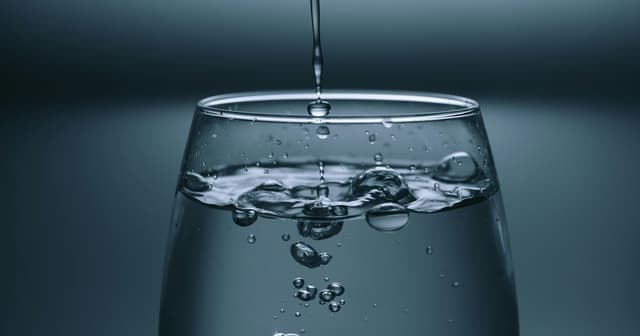
How much water should I drink a day? For most healthy adults, the U.S. National Academies' reference figures are about 2.7 litres (91 oz) of total water a day for women and 3.7 litres (125 oz) for men. That total includes water from food and every other drink. From beverages alone it works out to roughly 9 cups (2.2 L) for women and 13 cups (3.0 L) for men. You need more when you exercise, in hot weather, and during pregnancy or breastfeeding. For most people, thirst and pale yellow urine are reliable day-to-day guides.
Those are population averages. This guide makes them usable: the official numbers in cups, ounces, and millilitres, a chart by body weight, how much extra to drink when you walk, a simple daily schedule, and who should check with a doctor first.
For a personal number, the Water Intake Calculator works one out from your weight, activity level, and climate.
This article is general information, not medical advice. If you have a health condition or take regular medication, follow your own doctor's guidance.
How Much Water Should I Drink a Day? The Official Numbers
The most cited figures come from the National Academies' Dietary Reference Intakes for water, published in 2004. They are "adequate intakes" based on what healthy, well-hydrated people in U.S. surveys actually consume.
| Group | Total water a day (food + all drinks) | From drinks alone | In cups |
|---|---|---|---|
| Women (19+) | 2.7 L (91 oz) | About 2.2 L (74 oz) | About 9 |
| Men (19+) | 3.7 L (125 oz) | About 3.0 L (101 oz) | About 13 |
| Pregnancy | 3.0 L (101 oz) | About 2.3 L (78 oz) | About 10 |
| Breastfeeding | 3.8 L (128 oz) | About 3.1 L (105 oz) | About 13 |
Details that often get lost when these numbers are repeated:
- They include food. About 80% of total water comes from drinking water and other beverages. The rest comes from food.
- All drinks count. The panel concluded that caffeinated drinks such as coffee and tea can contribute as much as non-caffeinated ones.
- They are reference points, not minimums. Most healthy people meet their needs by letting thirst guide them.
- No upper limit was set. That does not mean unlimited drinking is safe (more below).
You may also see "15.5 cups for men and 11.5 cups for women." That is the same 3.7 L and 2.7 L total expressed in cups, which is how the Mayo Clinic presents it. It is not a second, higher recommendation.
Is the "8 Glasses a Day" Rule Right?
The 8x8 rule says to drink eight 8-ounce glasses of water a day: 64 oz, or about 1.9 litres. It is easy to remember, but it is not built on strong evidence.
In 2002, Dartmouth kidney specialist Heinz Valtin published a review in the American Journal of Physiology looking for the science behind it. He found no scientific studies supporting the rule for healthy, mostly sedentary adults in a temperate climate.
That does not make eight glasses a bad target. It sits a little below the National Academies' drink figure for women and well below the one for men, and the Mayo Clinic calls it a reasonable goal. It is a round number, not a requirement. Some people need less. Active people, larger people, and anyone in the heat often need more.
How Much Water Should I Drink a Day by Body Weight?
Bigger bodies need more water, so one number for everyone falls short. A common rule of thumb is 30 to 35 ml of fluid per kilogram of body weight per day. The popular "half your body weight in pounds, in ounces" rule works out to about 33 ml per kg, so it is the same idea in different units.
This is not an official recommendation. But for average-sized adults it lands close to the National Academies' drink figures, which makes it a useful starting point.
| Body Weight | Litres a day | Millilitres a day | Ounces a day | 8-oz cups |
|---|---|---|---|---|
| 50 kg (110 lb) | 1.5 to 1.8 | 1,500 to 1,750 | 51 to 59 | 6 to 7 |
| 60 kg (132 lb) | 1.8 to 2.1 | 1,800 to 2,100 | 61 to 71 | 8 to 9 |
| 70 kg (154 lb) | 2.1 to 2.5 | 2,100 to 2,450 | 71 to 83 | 9 to 10 |
| 80 kg (176 lb) | 2.4 to 2.8 | 2,400 to 2,800 | 81 to 95 | 10 to 12 |
| 90 kg (198 lb) | 2.7 to 3.2 | 2,700 to 3,150 | 91 to 107 | 11 to 13 |
| 100 kg (220 lb) | 3.0 to 3.5 | 3,000 to 3,500 | 101 to 118 | 13 to 15 |
| 110 kg (243 lb) | 3.3 to 3.9 | 3,300 to 3,850 | 112 to 130 | 14 to 16 |
How to read the chart:
- It covers all drinks, not only plain water.
- It is a baseline for a normal day in mild weather with light activity.
- It overshoots at higher body weights. Weight-based rules tend to overestimate for people with a higher BMI. If your number lands far above the 3.0 L drink figure for men, use that figure and your thirst as a sanity check.
Our Water Intake Calculator starts from 33 ml per kg, then adjusts for activity level and a hot climate.
What Raises Your Water Needs
- Exercise. Anything that makes you sweat means extra fluid before, during, and after.
- Heat and humidity. The National Academies report notes that very active people in hot conditions can need 6 litres a day or more.
- Altitude. You lose more water through breathing at high altitude.
- Illness. Fever, vomiting, and diarrhea all increase fluid loss.
- Pregnancy and breastfeeding. See the table above. Our guide to walking during pregnancy covers staying hydrated on walks.
- Age. Older adults often do not feel thirsty until they are already short on fluid, so drinking on a routine helps.
How Much Extra Water to Drink When You Walk
There is no official "ounces per step" figure, because sweat rates vary widely between people and conditions. What the evidence gives us is a set of practical anchors.
| Situation | What to do |
|---|---|
| Easy walk under an hour, mild weather | No set extra. Drink a glass before or after, and when thirsty |
| Brisk walk of an hour or more, mild weather | Carry a small bottle (about 500 ml or 17 oz) and sip to thirst |
| Walking or working in the heat | About 1 cup (8 oz) every 15 to 20 minutes, or 24 to 32 oz (about 0.7 to 0.95 L) per hour |
| Any conditions | No more than about 6 cups (48 oz or 1.4 L) per hour |
| Sweating for several hours | Add electrolytes from a sports drink |
The heat figures and the hourly cap come from CDC/NIOSH heat guidance. The bottle size is a practical carry amount, not a required dose.
Per 10,000 steps
Walking 10,000 steps takes most adults 75 to 100 minutes of walking. What that means for water depends on how you get there:
- Spread across a normal day in mild weather: no specific extra. Your baseline covers it.
- One long walk in mild weather: bring a bottle and sip to thirst.
- One long walk in the heat: at a cup every 15 to 20 minutes, about 30 to 53 oz (0.9 to 1.6 L) across the walk.
For all-day efforts, see how we handle water and electrolytes in our guide to walking 20 miles.
Find your own number with a sweat test
The American College of Sports Medicine's position stand on fluid replacement recommends individual plans. Its goal is to avoid losing more than 2% of your body weight during exercise, and it suggests estimating sweat loss by weighing yourself before and after.
Each kilogram you are down is about a litre of fluid you did not replace, and each pound is about 16 oz. If a one-hour walk leaves you 0.5 kg (about 1 lb) lighter, an extra 500 ml (16 oz) during similar walks would keep you level. For a 70 kg (154 lb) person, the 2% line is 1.4 kg (about 3 lb).
Harder sessions raise fluid needs more than easy ones. If you pace walks by heart rate, see our guides to max heart rate by age and how to lower your resting heart rate. The Walking Calories Calculator estimates what a given walk burns.
How to Tell If You're Drinking Enough
You do not need to measure every glass. According to the Mayo Clinic, you are probably drinking enough if you rarely feel thirsty and your urine is colourless or light yellow.
| Urine Colour | What It Suggests | What to Do |
|---|---|---|
| Colourless to light yellow | Well hydrated | Keep doing what you are doing |
| Medium yellow | You could use a little more | Have a glass of water |
| Dark yellow or amber | Likely short on fluid | Drink now and again over the next hour or two |
Some vitamins, foods, and medications change urine colour, so treat it as a guide. Signs of dehydration in adults include strong thirst, urinating less often, dark urine, tiredness, dizziness, and confusion. Severe symptoms need medical attention.
Can You Drink Too Much Water?
Yes, though it is uncommon in healthy adults. Drinking far more than your kidneys can clear dilutes the sodium in your blood, a condition called hyponatremia. The National Academies report puts the kidneys' maximum excretion rate at roughly 0.7 to 1.0 litre per hour, and reported cases of water toxicity involved drinking large volumes faster than that.
It shows up most often in endurance events, when people drink well beyond their sweat losses for hours. Symptoms listed by the Mayo Clinic include nausea and vomiting, headache, confusion, fatigue, muscle cramps, and seizures. It can be life-threatening.
To stay safe, spread your drinking across the day, match what you lose during long exercise instead of drinking as much as you can, and do not force fluids past thirst because a number told you to.
How to Drink Enough Water: A Simple Daily Schedule
If you forget to drink, tie water to things you already do. This sample day gives about 8 to 10 glasses (2.0 to 2.5 L). Scale it using the body weight chart.
| When | Amount |
|---|---|
| On waking | 1 glass (250 ml / 8 oz) |
| With breakfast | 1 glass |
| Mid-morning | 1 to 2 glasses |
| With lunch | 1 glass |
| Mid-afternoon | 1 to 2 glasses |
| Around your walk or workout | Sip to thirst, more in the heat |
| With dinner | 1 glass |
| Evening | 1 small glass |
- Carry a reusable bottle. A 750 ml bottle refilled three times is 2.25 L.
- Count other drinks. Tea, coffee, and milk add to your total.
- Add flavour with a slice of lemon or lime if plain water bores you.
- Ease off before bed if night-time bathroom trips bother you.
Does Drinking Water Help With Weight Loss?
Water does not burn fat, but it can make eating less a bit easier:
- It replaces calories. Water has none, so swapping sugary drinks for it lowers your intake, as the CDC notes.
- It may reduce how much you eat. In a 12-week trial published in Obesity in 2010, 48 adults aged 55 to 75 followed a reduced-calorie diet. Those who drank 500 ml of water before each main meal lost about 2 kg more. It was a small study in older adults, so results may differ for you.
If you were looking for a water intake calculator for weight loss, your water target does not change much when you diet. Use the Water Intake Calculator for your baseline and let the weight loss come from a calorie deficit. The TDEE Calculator shows what you burn in a day, and the Daily Step Goal Calculator sets a step target to raise it.
Who Should Ask a Doctor First
The numbers in this guide are for healthy adults. Talk to your doctor before raising your fluid intake if any of these apply:
- Kidney disease. The National Kidney Foundation notes that people with advanced chronic kidney disease or kidney failure, including those on dialysis, may need to limit fluids.
- Heart failure or liver disease. Some people are given a fluid limit by their care team.
- Medications that affect fluid balance, such as diuretics ("water pills"), some antidepressants, and some pain medications.
- A history of low blood sodium.
- Kidney stones or frequent urinary tract infections. Here the advice often goes the other way, toward drinking more.
Frequently Asked Questions
How much water should I drink a day in ounces?
About 91 oz of total water a day for women and 125 oz for men, including water from food. From drinks alone, that is roughly 74 oz for women and 101 oz for men. By body weight, a common rule of thumb is about half an ounce per pound.
How much water should I drink a day in ml?
About 2,700 ml of total water for women and 3,700 ml for men, including food. From drinks alone, about 2,200 ml for women and 3,000 ml for men. By body weight, a common estimate is 30 to 35 ml per kg.
Is 8 glasses of water a day enough?
For many people, yes. Eight 8-oz glasses is 64 oz (about 1.9 L), which is close to the drink figure for women and below the one for men. Adjust for your size, activity, and the weather.
Do coffee and tea count toward my water intake?
Yes. The National Academies panel concluded that caffeinated beverages can contribute to total water intake as much as non-caffeinated ones. Water is still the best default because it has no calories or added sugar.
How much water should I drink when walking?
For an easy walk under an hour in mild weather, drink to thirst. In the heat, CDC/NIOSH guidance is about 1 cup (8 oz) every 15 to 20 minutes and no more than 6 cups in an hour.
Is a gallon of water a day too much?
A US gallon is about 3.8 litres (128 oz), which is more than most people need from drinks. Larger, very active people and those in hot climates may reach it, spread across the day. People with kidney or heart conditions should not aim for it without medical advice.
Set Your Number, Then Build the Habit
So, how much water should you drink a day? Start with roughly 9 cups of fluids for women and 13 for men, or 30 to 35 ml per kg of body weight. Add more when you sweat, then let thirst and urine colour fine-tune it.
- Get a baseline from the Water Intake Calculator.
- Tie a glass of water to each meal and carry a bottle for the rest.
- Drink extra around walks and workouts, especially in the heat.
Steps: Workout & Pedometer counts every step automatically on your iPhone and Apple Watch, so you can see how active your day has been and when a longer walk means it is time to refill your bottle.
Ready to pair better hydration with more daily steps? Download Steps
You Might Also Like
Try Our Calculators
Steps is built by runners who wanted a step counter that felt right. Read our story